


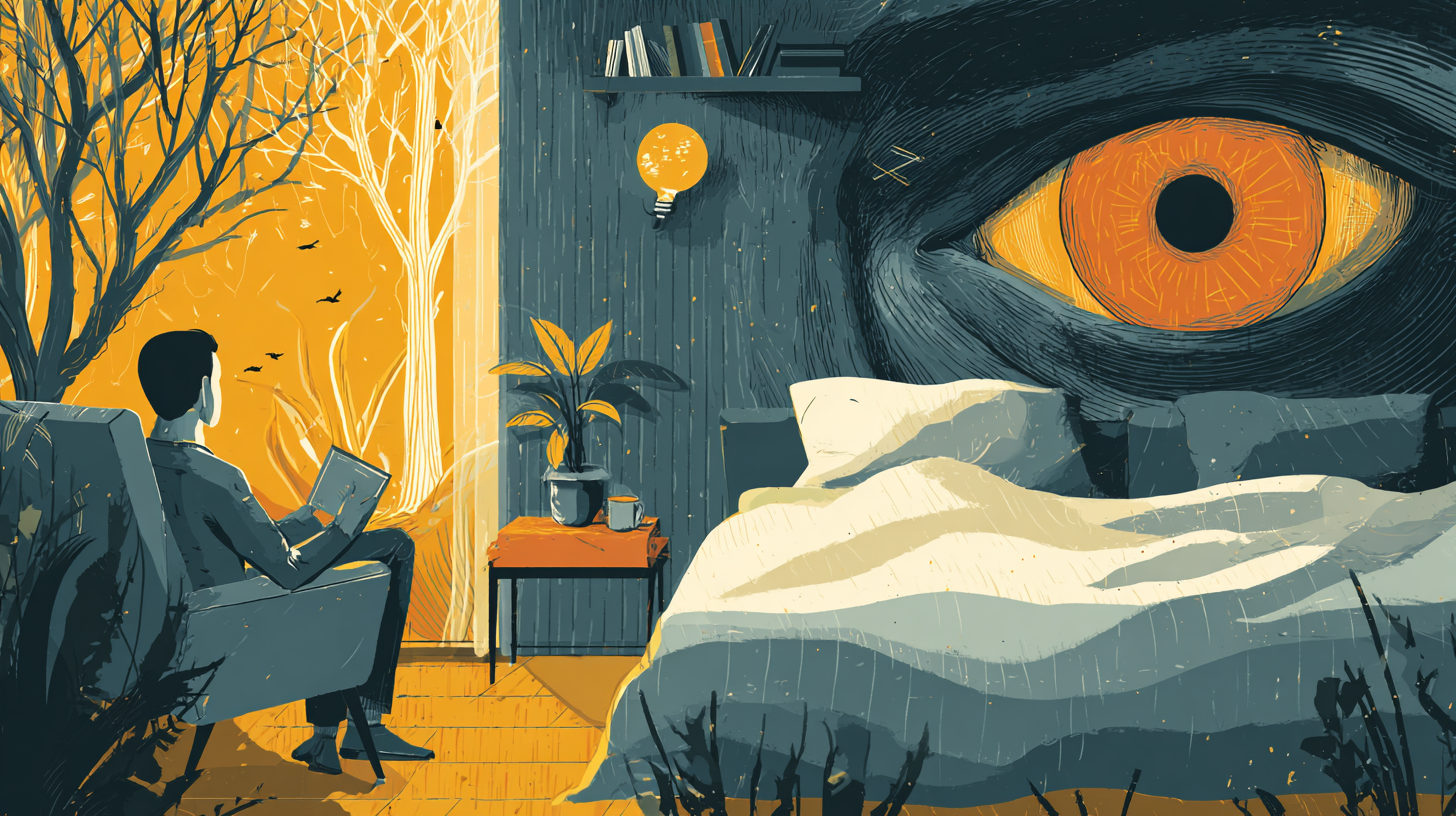

- Cyberstalking rose 70% in England and Wales between 2012 and 2020.
- Nearly half of stalking victims did not view their experience as a crime.
- Young adults face the highest cyberstalking rates but are least likely to report it.
Madeleine Janickyj was looking for patterns in crime data when she found something troubling. The UCL Computer Science researcher and her colleagues had eight years of nationally representative survey data from England and Wales.
The numbers told a clear story: cyberstalking was rising faster than any other form of stalking. But the people experiencing it often did not think a crime had occurred.
The study, published in the British Journal of Criminology, analyzed responses from 147,711 participants aged 16 to 59. Between 2012 and 2020, the proportion reporting cyberstalking rose from 1.0% to 1.7%. Physical stalking increased by just 15% over the same period.
Cyber-enabled stalking, using phones and texts to facilitate physical harassment, actually declined.
Key figure
48.7%
of stalking victims who said their experience was "wrong but not a crime"
A Crime That Does Not Feel Criminal
The research team distinguished between three types of stalking. Physical stalking means being followed or watched in person. Cyber-enabled stalking uses digital tools like GPS tracking to facilitate real-world harassment.
Cyberstalking occurs entirely online, through threatening messages, unwanted contact, or harassment campaigns on social platforms.
What is cyberstalking?
Cyberstalking is repeated, unwanted online behavior that causes fear, alarm, or distress. This includes threatening emails or messages, monitoring someone's online activity, or spreading false information about them. Unlike cyber-enabled stalking, it happens entirely in digital spaces.
Nearly half of all stalking victims described their experience as "wrong but not a crime." Only 26.7% identified what happened as criminal.
This perception gap was widest for cyberstalking. Victims of physical stalking were more likely to view their experience as illegal compared to those who faced harassment only online.
The Most Vulnerable, Least Likely to Report
Young people aged 16 to 24 faced the highest cyberstalking rates at 2.4%, more than twice the rate among 45 to 59 year olds. Yet this same group was least likely to view their experience as criminal.
Dr Leonie Tanczer, senior author on the study, suggests normalization may explain the gap.
Women experienced stalking at nearly twice the rate of men across all categories. Lesbian, gay, and bisexual respondents faced more than double the cyberstalking risk compared to heterosexual participants.
Women were more likely than men to recognize stalking as criminal, but younger victims consistently underestimated the seriousness of what they faced.
Cyberstalking also differed in who was responsible. Just 32% of victims had a domestic relationship with their stalker, compared to 69% for cyber-enabled stalking.
The anonymity of online harassment makes perpetrators harder to identify and, perhaps, makes victims less certain a crime has occurred.
The Recording Problem
Janickyj points to broader issues with how cyberstalking gets measured and recorded. Freedom of Information requests revealed that Metropolitan Police officers do not routinely record online crimes. Official statistics likely undercount both cyber-enabled and cyberstalking cases.
The Crime Survey for England and Wales itself blends some online and offline behaviors in its questions, making precise measurement difficult.
The researchers recommend updates to better capture the nuances of digital harassment, including clearer distinctions between stalking types.
If the people most affected do not recognize cyberstalking as criminal, and the systems meant to track it cannot measure it accurately, addressing the problem becomes difficult.
The first step may be convincing a generation raised online that harassment there counts just as much as harassment anywhere else.
Sources
- Primary Research: Janickyj, M., Blom, N. & Tanczer, L. (2025). Online and Offline Stalking Victimisation in the Crime Survey for England and Wales: Its Predictors and Victim/Survivors' Views on Criminalisation. The British Journal of Criminology. DOI: 10.1093/bjc/azaf064
- Additional Context:

Fact Check: Claim-by-Claim Verification Verified
All claims verified against the British Journal of Criminology paper, UCL press release, and secondary coverage. Statistics, participant numbers, and researcher attributions confirmed.
Commentary
- Data ends at 2019/20 survey wave; patterns may have changed since COVID-19.
- LGB/other category in CSEW does not include transgender or queer identities separately.
Sources used for verification
Academic/Peer-reviewed:
- Online and Offline Stalking Victimisation in the CSEW - British Journal of Criminology
Other reliable sources:
- UCL News - ucl.ac.uk
Fact-checked by Perplexity Sonar Pro on 2026-03-15


