Vector-Borne Disease Spread: How Insects Transmit Deadly Pathogens
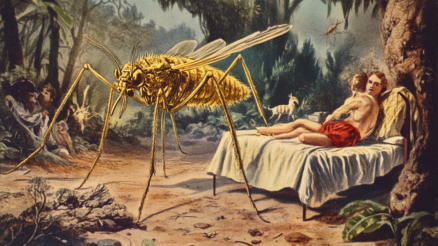
Vector-borne disease spread transmits pathogens through mosquitoes, ticks, and sandflies, causing 700,000+ deaths yearly. Learn how these diseases work and why they are expanding.


15 glossary terms
Medicine and health sciences translate biological knowledge into questions about the human body: how it works, what goes wrong, and what can be done about it. The terms in this section cover disease mechanisms, diagnostic tools, and the research methods that turn basic findings into treatments. Some definitions are old and settled; others describe ideas still moving from the lab into clinical use. Together they give you the footing to read a medical paper critically, follow a drug approval announcement, or understand why a particular virus or condition matters beyond the headlines.
Vector-borne disease spread transmits pathogens through mosquitoes, ticks, and sandflies, causing 700,000+ deaths yearly. Learn how these diseases work and why they are expanding.
Vaccinia virus is a large DNA virus in the Orthopoxvirus genus that served as the smallpox vaccine's active component and now works as a vector in cancer therapy and gene research.
Yellow fever virus is a mosquito-borne RNA pathogen in the family Flaviviridae that causes severe liver damage and death.
Neuroplasticity is the nervous system's ability to reorganize its structure and connections in response to experience, injury, or changing demands, enabling learning and recovery throughout life.
Sickle cell trait evolution is the persistence of a hemoglobin mutation in human populations because carriers gain partial protection against malaria, the deadliest infectious disease in history.
The retrovirus replication cycle converts viral RNA to DNA and integrates it into a host cell's genome to produce new virus particles.
Somatic cell nuclear transfer creates an embryo by moving a body cell's nucleus into an egg cell stripped of its own DNA, enabling mammalian cloning and stem cell research.
Immunotherapy is a form of cancer treatment that trains the body's immune system to identify and destroy tumor cells.
Zoonotic disease transmission is a critical public health concern, as it involves infectious diseases that can be transferred from animals to humans, often leading to significant health challenges and emerging infectious diseases.
Viral vector gene therapy represents a cutting-edge approach in medical science, utilizing engineered viruses to introduce therapeutic genes into a patient's cells to correct or mitigate genetic diseases.