- Immunotherapy trains the immune system to recognize and destroy cancer cells.
- Checkpoint inhibitors block proteins that prevent T cells from attacking tumors.
- Only 20 to 40 percent of patients respond, varying sharply by cancer type.
Immunotherapy is a form of cancer treatment that trains or strengthens the body's immune system to identify and destroy tumor cells. Rather than attacking cancer directly with radiation or chemicals, immunotherapy removes the biological brakes that prevent immune cells from recognizing tumors as threats.
Why It Matters
Key figure
1891
Year William Coley first used immune stimulation to treat cancer
Cancer has long exploited a loophole in human immunity. Tumor cells produce proteins that mimic healthy tissue, effectively hiding from the T cells and natural killer cells tasked with clearing abnormal growth. Immunotherapy closes that loophole.
The field traces back to William B. Coley, a bone surgeon at New York Cancer Hospital who in 1891 began injecting bacterial toxins into patients with inoperable sarcomas. Some tumors shrank. Coley could not explain why, and mainstream oncology dismissed his results for nearly a century.
The explanation arrived in the 1990s. Tasuku Honjo at Kyoto University discovered the PD-1 protein on T cells in 1992, and James Allison at the University of California, Berkeley identified CTLA-4's braking function in 1995. Both proteins act as checkpoints, shutting down immune responses before they can target tumors. Blocking those checkpoints unleashes T cells against cancer. Allison and Honjo shared the 2018 Nobel Prize in Physiology or Medicine for this work.
Today, checkpoint inhibitors are approved for more than 20 cancer types. Personalized mRNA cancer vaccines reduced melanoma recurrence by 44% in recent trials combining the vaccine mRNA-4157 with the checkpoint inhibitor pembrolizumab.
How It Works
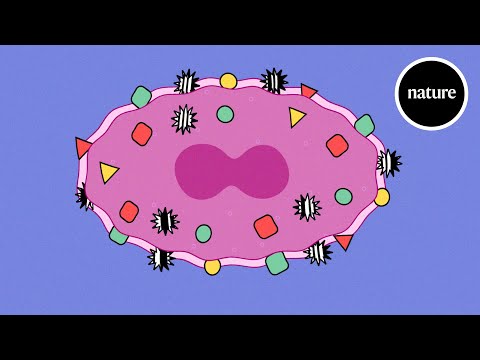
The immune system patrols constantly for abnormal cells. T cells inspect surface proteins on every cell they encounter. When a T cell finds a match with a foreign or damaged protein, it triggers an immune attack.
Cancer cells evade this process by expressing checkpoint proteins, most notably PD-L1, on their surfaces. PD-L1 binds to the PD-1 receptor on T cells and sends a "stand down" signal. The T cell disengages, leaving the tumor untouched.
Key figure
20–40%
Typical patient response rate to checkpoint inhibitors
Checkpoint inhibitors are antibodies designed to block this interaction. Drugs like pembrolizumab (Keytruda) and nivolumab (Opdivo) bind to PD-1, preventing PD-L1 from silencing the T cell. Another class targets CTLA-4, a separate checkpoint that suppresses T cell activation at an earlier stage. The drug ipilimumab (Yervoy), the first checkpoint inhibitor approved by the FDA in 2011, blocks CTLA-4.
Beyond checkpoint inhibitors, CAR-T cell therapy takes a different approach. Clinicians extract a patient's T cells, genetically engineer them to recognize a specific protein on the tumor, and infuse them back into the body. The FDA approved the first CAR-T therapy in 2017 for children with acute lymphoblastic leukemia. CAR-T therapies have shown high remission rates in blood cancers, though solid tumors remain a harder target.
Other strategies include cancer vaccines, which prime the immune system to recognize tumor-specific proteins, and cytokine therapies, which amplify the overall immune response.
Key Context
Only 20 to 40% of patients respond to checkpoint inhibitors, and response rates vary sharply by cancer type. Melanoma and non-small cell lung cancer respond best. Pancreatic and most brain cancers respond poorly. Researchers at institutions including Johns Hopkins, Memorial Sloan Kettering, and MD Anderson are working to identify biomarkers that predict which patients will benefit.
Immunotherapy can also trigger the immune system to attack healthy tissue, causing autoimmune side effects that range from skin rashes to inflammation of the heart, lungs, or liver. Managing these side effects has become a clinical specialty in its own right.
FAQ
Is immunotherapy the same as chemotherapy?
No. Chemotherapy uses cytotoxic drugs to kill rapidly dividing cells, including some healthy ones. Immunotherapy works by enabling the body's own immune cells to target cancer specifically. The two are sometimes combined, as in recent lung cancer trials at Johns Hopkins where the combination improved five-year survival to 95% in patients who achieved complete remission before surgery.
Does immunotherapy work for all cancers?
It does not. Response rates depend on cancer type, the tumor's genetic profile, and the presence of specific biomarkers like PD-L1 expression. Cancers with high mutation rates, such as melanoma and lung cancer, tend to respond better because they produce more abnormal proteins for the immune system to recognize.
What are the main side effects of immunotherapy?
The most common side effects stem from an overactive immune response: fatigue, skin rashes, and inflammation of organs including the thyroid, liver, and intestines. Severe reactions occur in a minority of patients but can be life-threatening if not managed promptly. Oncologists monitor patients closely during treatment.
How is CAR-T cell therapy different from checkpoint inhibitors?
Checkpoint inhibitors are drugs given by infusion that remove brakes on existing T cells. CAR-T therapy involves removing a patient's T cells, genetically modifying them in a laboratory to target a specific tumor protein, and reinfusing them. CAR-T is more personalized and has shown high remission rates in certain blood cancers, but it is more complex and expensive than checkpoint inhibitor treatment.
Related Reading

Sources
- Primary Research: Discovery of cancer therapy by inhibition of negative immune regulation (Nobel Prize Committee, 2018)
- Additional Context:
- What Is Immunotherapy? (American Cancer Society)
- CAR T Cells: Engineering Immune Cells to Treat Cancer (National Cancer Institute)
- FDA Approval Timeline of Active Immunotherapies (Cancer Research Institute)
- What is cancer immunotherapy? (Mayo Clinic, 2025)
- Immunotherapy Plus Chemotherapy Before Lung Cancer Surgery (Johns Hopkins Medicine, 2025)

Fact Check: Claim-by-Claim Verification Verified
All 10 factual claims verified against primary sources including the Nobel Prize Committee, NCI, FDA records, and Johns Hopkins Medicine. No corrections needed.
Sources used for verification
- Nobel Prize Advanced Information 2018 - nobelprize.org
- What Is Immunotherapy? - cancer.org
- CAR T Cells - cancer.gov
- What is cancer immunotherapy? - mayoclinic.org
- Immunotherapy Plus Chemotherapy - hopkinsmedicine.org