biochemistry

Krebs Cycle: The Metabolic Hub That Powers Every Cell
The Krebs cycle is a sequence of eight enzyme-driven reactions inside mitochondria that extracts energy from acetyl-CoA and channels it toward ATP production.
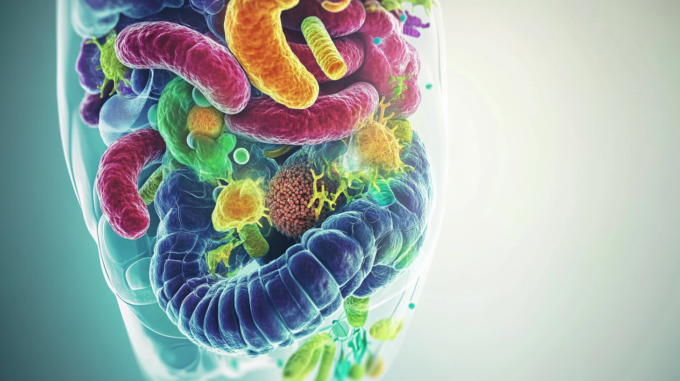
Zymogen Activation: How Inactive Enzymes Power Digestion
Zymogen activation is the conversion of an inactive enzyme precursor into its active form through proteolytic cleavage, ensuring digestive enzymes activate only at...

Zymurgy: From Ancient Brewing to Precision Fermentation
Zymurgy is the applied science of fermentation, the study of how microorganisms transform sugars into alcohol, acids, and gases in processes that underpin...
Isomerism: Why Mirror-Image Molecules Matter
Isomerism describes compounds that share a molecular formula but differ in structure or spatial arrangement, producing distinct chemical and biological properties.

Homeostasis: How Living Organisms Maintain Internal Balance
Homeostasis is the set of self-regulating processes by which a living organism maintains stable internal conditions, even as its external environment changes.
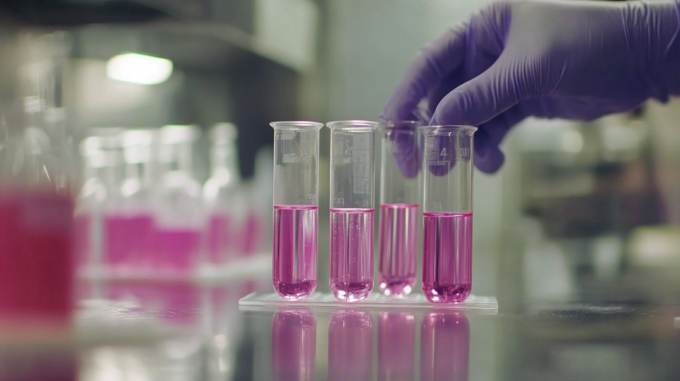
Gel Electrophoresis: How Scientists Sort Molecules by Size
Gel electrophoresis separates DNA, RNA, and proteins by pulling them through a porous gel with an electric field, sorting molecules by size.
Free Radical Chemistry: How Unpaired Electrons Drive Reactions
Free radical chemistry studies highly reactive atoms and molecules with unpaired electrons, central to processes from industrial plastics to cellular aging.
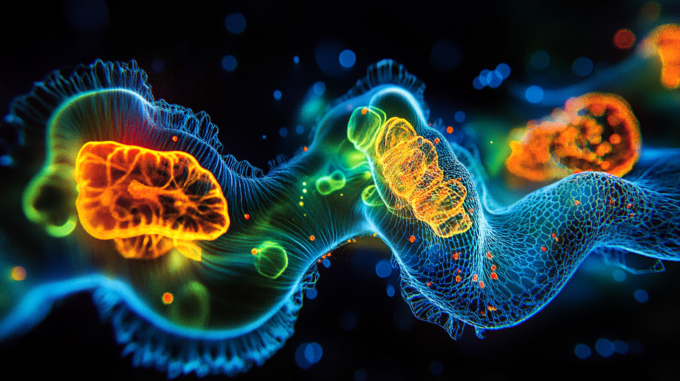
Fluorophore Imaging Techniques: How Glowing Molecules Reveal the Hidden Cell
Fluorophore imaging techniques use fluorescent molecules to make specific biological structures visible under a microscope, letting researchers track proteins, cells, and molecular interactions...

Enzyme Kinetics Models: The Math Behind Every Enzyme
Enzyme kinetics models are mathematical descriptions of how fast enzyme-catalyzed reactions proceed, linking reaction rate to substrate and enzyme concentrations.
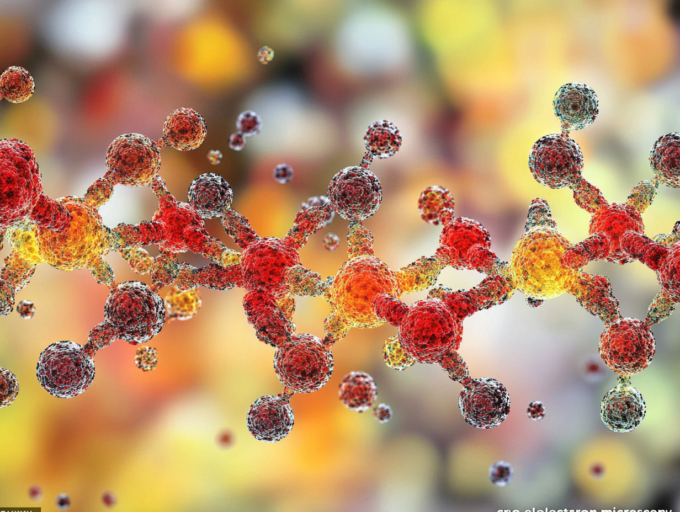
Cryo-Electron Microscopy: Seeing Molecules in Frozen Glass
Cryo-electron microscopy (cryo-EM) images biological molecules frozen in vitreous ice, preserving their natural shape and producing 3D structures at near-atomic resolution.