cell biology
Zymogen Activation: How Inactive Enzymes Power Digestion
Zymogen activation is the conversion of an inactive enzyme precursor into its active form through proteolytic cleavage, ensuring digestive enzymes activate only at...
Somatic Cell Nuclear Transfer: Cloning Technique Explained
Somatic cell nuclear transfer creates an embryo by moving a body cell's nucleus into an egg cell stripped of its own DNA, enabling...

Homeostasis: How Living Organisms Maintain Internal Balance
Homeostasis is the set of self-regulating processes by which a living organism maintains stable internal conditions, even as its external environment changes.

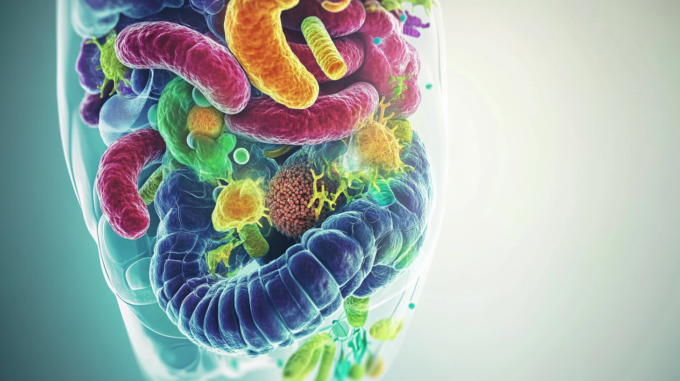
Gut Microbiome Diversity: What It Means for Your Health
Gut microbiome diversity is the range of microbial species in the human gastrointestinal tract, linked to digestion, immunity, and disease prevention.
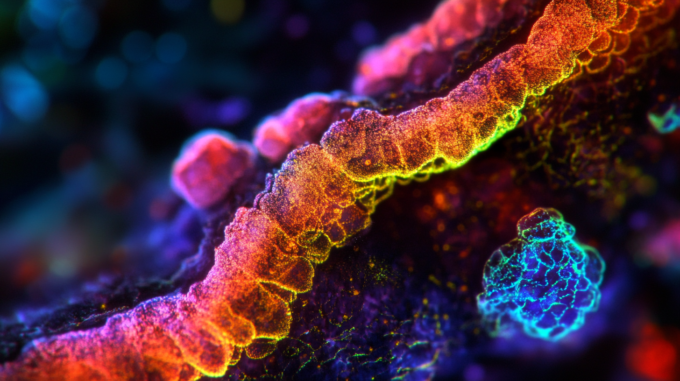
Fluorescence Microscopy: How Light Reveals the Living Cell
Fluorescence microscopy uses fluorescent molecules to label and visualize specific structures inside biological specimens.
Endosymbiotic Theory: How Bacteria Became Organelles
Endosymbiotic theory explains how eukaryotic cells acquired mitochondria and chloroplasts by engulfing free-living bacteria that became permanent, integrated organelles.

Free Radical Chemistry: How Unpaired Electrons Drive Reactions
Free radical chemistry studies highly reactive atoms and molecules with unpaired electrons, central to processes from industrial plastics to cellular aging.
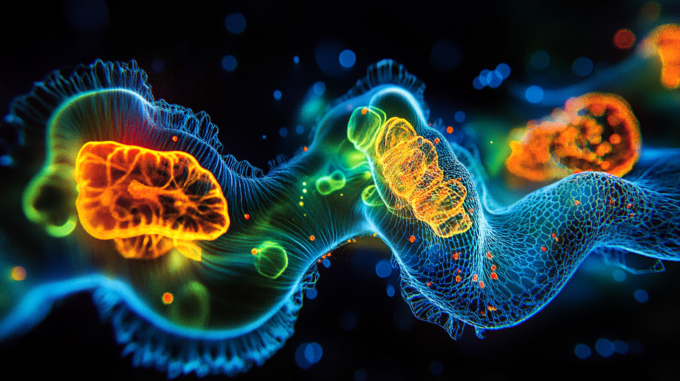
Fluorophore Imaging Techniques: How Glowing Molecules Reveal the Hidden Cell
Fluorophore imaging techniques use fluorescent molecules to make specific biological structures visible under a microscope, letting researchers track proteins, cells, and molecular interactions...

Enzyme Kinetics Models: The Math Behind Every Enzyme
Enzyme kinetics models are mathematical descriptions of how fast enzyme-catalyzed reactions proceed, linking reaction rate to substrate and enzyme concentrations.
Aerobic Respiration: How Cells Convert Oxygen into Energy
Aerobic respiration is the metabolic process by which cells break down glucose using oxygen to produce ATP, carbon dioxide, and water.