Environmental Science
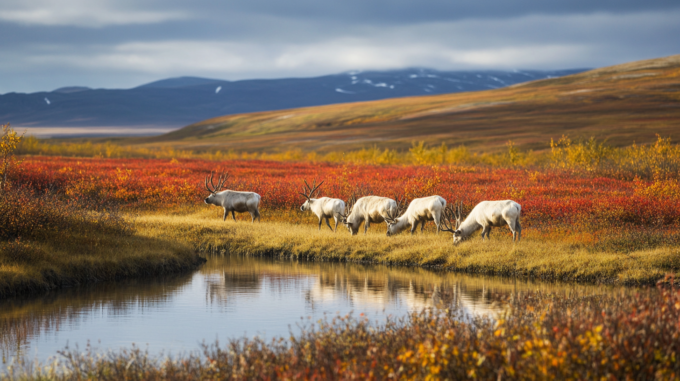
Permafrost Melting: How Thawing Ground Fuels Climate Change
Permafrost thaw is the warming and decomposition of ground frozen for at least two years, releasing stored carbon as the ice binding soil,...
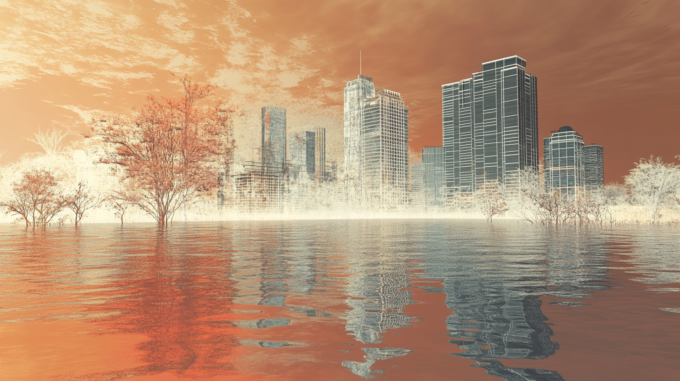
Urban Heat Island Effect: Why Cities Run Hotter
The urban heat island effect is the measurable temperature difference between built-up urban areas and surrounding rural land, driven by heat-absorbing surfaces.

Yield Gap in Agriculture: Why Farms Produce Half Their Potential
The yield gap is the difference between the crop yield farmers harvest and the maximum their land could produce under optimal conditions.

Haber-Bosch Process: The Reaction That Feeds Half the World
The Haber-Bosch process produces ammonia from atmospheric nitrogen, sustaining half the global food supply through synthetic fertilizers.

Invasive Species: A $423 Billion Threat to Global Biodiversity
Non-native organisms that harm ecosystems, economies, and health. Over 3,500 species worldwide qualify as harmful invaders.

Ice-Albedo Feedback Loop: How Melting Ice Accelerates Warming
The ice-albedo feedback loop is a self-reinforcing climate process where melting ice exposes darker surfaces, raising temperatures and accelerating further ice loss.

Catalytic Converter: How Precious Metals Clean Exhaust
A catalytic converter uses platinum, palladium, and rhodium to transform toxic exhaust gases into less harmful emissions through oxidation and reduction reactions.

Carbon Sequestration: How Nature and Technology Store CO2
Carbon sequestration captures and stores atmospheric CO2 in forests, oceans, and underground formations. Learn how natural and engineered methods work.