Nobel Prize
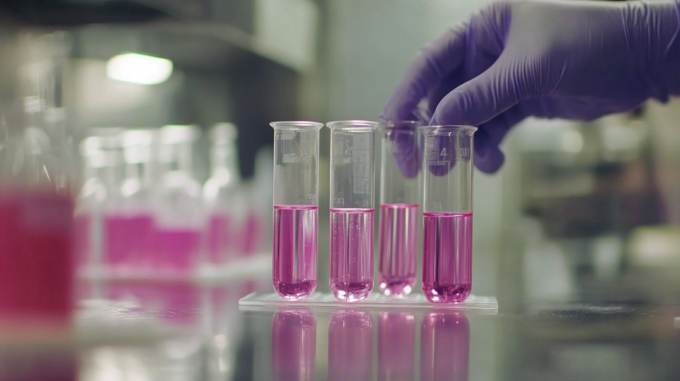
Gel Electrophoresis: How Scientists Sort Molecules by Size
Gel electrophoresis separates DNA, RNA, and proteins by pulling them through a porous gel with an electric field, sorting molecules by size.
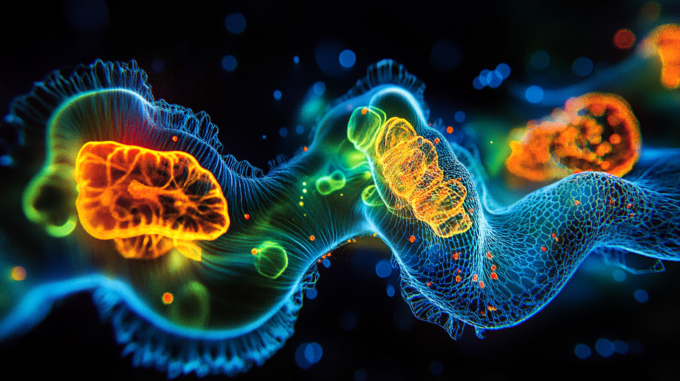
Fluorophore Imaging Techniques: How Glowing Molecules Reveal the Hidden Cell
Fluorophore imaging techniques use fluorescent molecules to make specific biological structures visible under a microscope, letting researchers track proteins, cells, and molecular interactions...
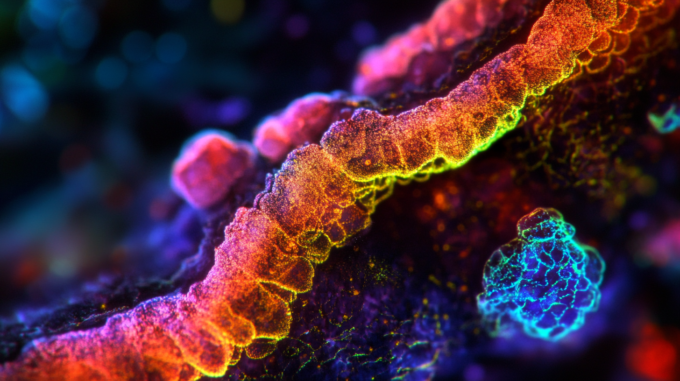
Fluorescence Microscopy: How Light Reveals the Living Cell
Fluorescence microscopy uses fluorescent molecules to label and visualize specific structures inside biological specimens.

Cyclotron: The Spiral Accelerator Behind Modern Medicine
A cyclotron is a particle accelerator that uses a magnetic field and an oscillating electric field to drive charged particles along a spiral...
CRISPR Gene Editing: How Bacterial Scissors Rewrote Medicine
CRISPR gene editing is a molecular biology technique that uses a bacterial protein called Cas9, directed by guide RNA, to alter specific DNA...
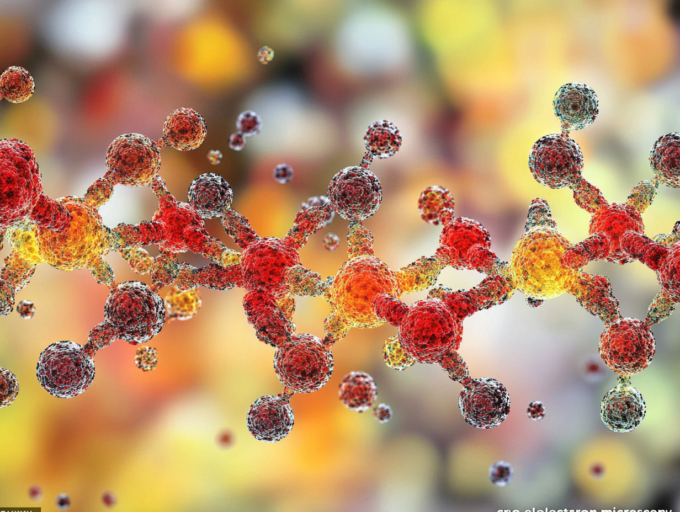
Cryo-Electron Microscopy: Seeing Molecules in Frozen Glass
Cryo-electron microscopy (cryo-EM) images biological molecules frozen in vitreous ice, preserving their natural shape and producing 3D structures at near-atomic resolution.

Carbon Dating Accuracy: The Limits of a 50,000-Year Clock
Carbon dating accuracy measures how closely radiocarbon dates match a sample's true age, expressed as a calendar-year range with a stated margin of...

Bacterial Conjugation: How Bacteria Share DNA
Bacterial conjugation is the transfer of genetic material from one bacterial cell to another through direct physical contact, typically mediated by a hair-like...

Quantum Mechanics at 100: Still Weird, Still Revolutionary
A century after Heisenberg's breakthrough, quantum mechanics remains deeply perplexing - yet powers our entire modern world.

Quantum Tunneling Won the 2025 Physics Nobel Prize
Three physicists proved quantum tunneling works at macroscopic scale, laying the foundation for modern quantum computers.