Nobel Prize

Zygotic Gene Activation: How Embryos Start Reading Their Own DNA
Zygotic gene activation (ZGA) is the process by which a fertilized embryo begins transcribing its own DNA, ending its dependence on maternal RNA...
Protein Folding Prediction: How AI Decoded Biology's 50-Year Puzzle
Protein folding prediction uses computational methods to determine the three-dimensional shape a protein adopts from its amino acid sequence, central to drug design...

Krebs Cycle: The Metabolic Hub That Powers Every Cell
The Krebs cycle is a sequence of eight enzyme-driven reactions inside mitochondria that extracts energy from acetyl-CoA and channels it toward ATP production.

Neuroplasticity: How the Brain Rewires Itself
Neuroplasticity is the nervous system's ability to reorganize its structure and connections in response to experience, injury, or changing demands, enabling learning and...
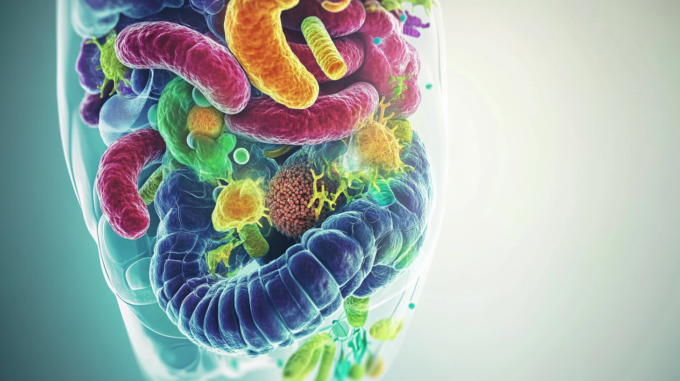
Zymogen Activation: How Inactive Enzymes Power Digestion
Zymogen activation is the conversion of an inactive enzyme precursor into its active form through proteolytic cleavage, ensuring digestive enzymes activate only at...

Zymurgy: From Ancient Brewing to Precision Fermentation
Zymurgy is the applied science of fermentation, the study of how microorganisms transform sugars into alcohol, acids, and gases in processes that underpin...

Retrovirus Replication Cycle: How RNA Viruses Hijack Cells
The retrovirus replication cycle converts viral RNA to DNA and integrates it into a host cell's genome to produce new virus particles.
Hydrogen Isotope Fractionation: Climate Clues in Water
Hydrogen isotope fractionation separates hydrogen's isotopes between substances during physical and chemical processes, driven by mass differences.

Haber-Bosch Process: The Reaction That Feeds Half the World
The Haber-Bosch process produces ammonia from atmospheric nitrogen, sustaining half the global food supply through synthetic fertilizers.
Immunotherapy: How the Immune System Fights Cancer
Immunotherapy is a form of cancer treatment that trains the body's immune system to identify and destroy tumor cells.