evolution

Related Fish Species Make Similar Choices, But How They Choose Differs
Two cichlid species share identical preferences but use different decision rules when choices get hard, a PNAS study of over 5,000 trials finds.
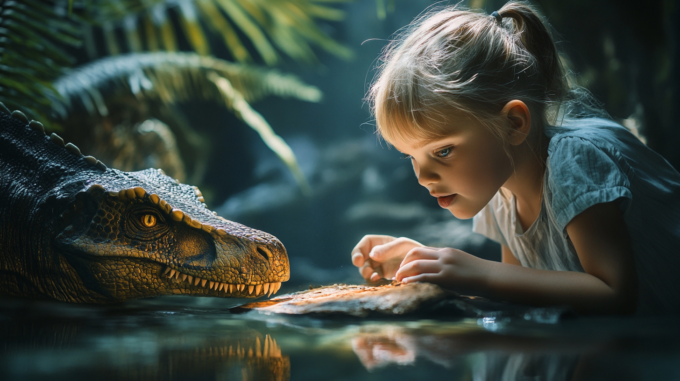
Jurassic Period Biodiversity: How Extinction Built a New World
Jurassic period biodiversity is the variety of life that existed 201.3 to 145 million years ago, when dinosaurs dominated, the first birds appeared,...

Lamarckian Evolution: The Theory That Refuses to Die
Lamarckian evolution proposes that organisms pass traits acquired during their lifetimes to offspring. Epigenetic research has revived aspects of the idea.
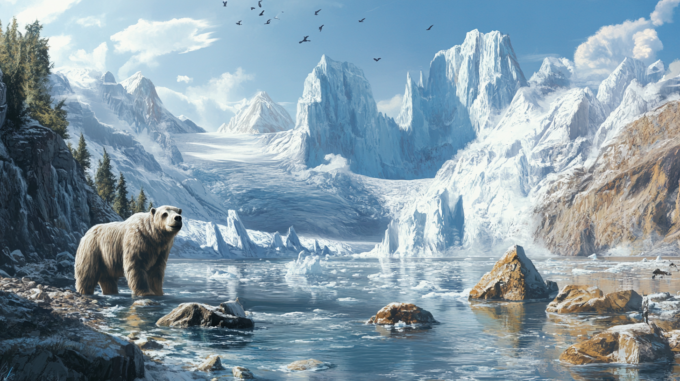
Quaternary Ice Age: Why Earth Is Still in an Ice Age
The Quaternary Ice Age is the current geological interval of repeated glacial and interglacial cycles, beginning 2.58 million years ago.

Mitochondrial Eve: The Maternal Ancestor of All Living Humans
Mitochondrial Eve is the most recent woman from whom all living humans inherited their mitochondrial DNA through an unbroken maternal line, a statistical...

Xerophyte: How Desert Plants Survive Without Water
A xerophyte is a plant adapted to survive where water is scarce, using structural, metabolic, and behavioral strategies refined over millions of years.

Sickle Cell Trait Evolution: How One Mutation Defends Against Malaria
Sickle cell trait evolution is the persistence of a hemoglobin mutation in human populations because carriers gain partial protection against malaria, the deadliest...

Horizontal Gene Transfer: How Genes Jump Between Species
Horizontal gene transfer moves genetic material between organisms outside parent-to-offspring inheritance, reshaping evolution and spreading antibiotic resistance.

Iterative Evolution: When Species Re-Evolve the Same Traits
Iterative evolution is the repeated emergence of similar traits from the same ancestral lineage at different points in geological time.

Homeostasis: How Living Organisms Maintain Internal Balance
Homeostasis is the set of self-regulating processes by which a living organism maintains stable internal conditions, even as its external environment changes.