Biology and Life Sciences

57 glossary terms

Biology and life sciences cover everything from the molecular machinery inside a single cell to the evolutionary forces that shape whole ecosystems. The terms in this section span genetics, anatomy, microbiology, ecology, and the frontier where biology meets chemistry and computation. Some are classroom staples like the double helix or photosynthesis. Others capture ideas you may never have encountered, from horizontal gene transfer to zygotic gene activation. Together they form the vocabulary scientists use to describe how life works, how it began, and how it continues to surprise us.

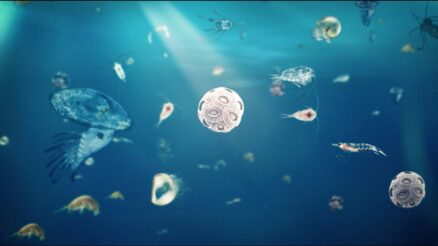
Zooplankton Population Dynamics

Zooplankton population dynamics are integral to understanding aquatic ecosystems, as they involve the study of how zooplankton populations change over time and space due to environmental and biological factors.

Xylophagous Insect Ecology

Xylophagous insect ecology examines the interactions and environmental significance of wood-eating insects within their habitats.

X Chromosome Inactivation

X chromosome inactivation is a process in female mammals where one of the two X chromosomes in each cell is randomly silenced, ensuring that females, like males, have one functional copy of the X chromosome in each body cell.

Vernalization in Plants

Vernalization is a crucial adaptive mechanism in plants where prolonged exposure to cold temperatures triggers genetic changes necessary for flowering, ensuring that blooming occurs under optimal spring conditions.

Transgenic Organisms in Agriculture

Transgenic organisms in agriculture are plants or animals genetically modified to include genes from other species, enhancing traits like pest resistance or nutritional content.

Telomere Shortening

Telomere shortening is a biological phenomenon where the protective ends of chromosomes, known as telomeres, progressively decrease in length with each cell division, playing a critical role in cellular aging and the eventual cessation of cell division.

Red Queen Hypothesis

The Red Queen Hypothesis underscores the necessity for species to continuously adapt and evolve in response to the ever-changing dynamics of their ecosystems, driven by interactions with other evolving organisms.

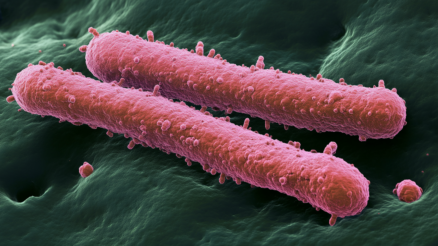
Quorum Sensing in Bacteria

Quorum sensing in bacteria is a cell-to-cell communication process that enables bacteria to detect and respond to cell population density by producing and releasing chemical signal molecules called autoinducers.