Definition
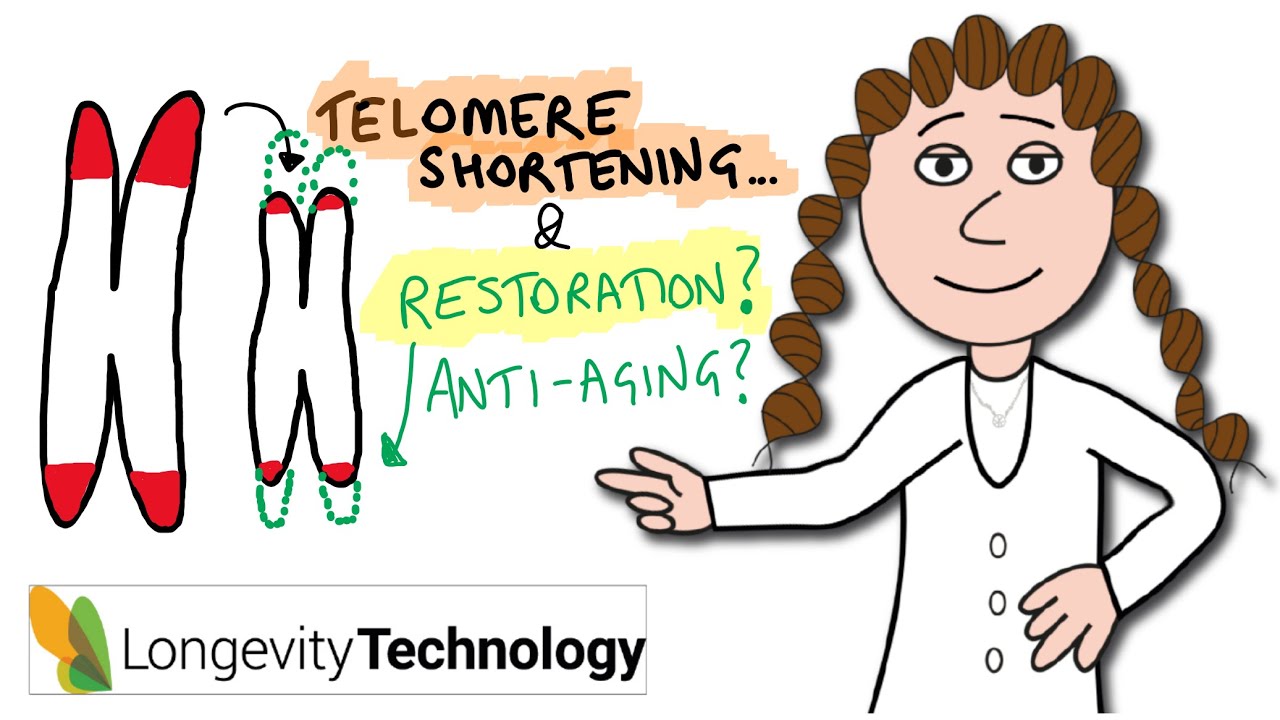
Telomere shortening refers to the progressive reduction in the length of telomeres, which are protective caps at the ends of chromosomes. This process is closely linked to cellular aging, as telomeres shorten each time a cell divides.
Etymology
The term "telomere" is derived from the Greek words "telos," meaning end, and "meros," meaning part. It reflects the telomere's role as the end part of a chromosome.
Example usage
'Researchers are studying telomere shortening and aging to understand their impact on the human lifespan.'
Interesting fact
Telomeres were first discovered by Russian-American biologist Alexei Olovnikov in 1971. Later, Elizabeth Blackburn, Carol Greider, and Jack Szostak were awarded the Nobel Prize in Physiology or Medicine in 2009 for their work on telomeres and the enzyme telomerase, which can extend telomeres.
Nobel Prize (2009)
Explanation and detail
Role of Telomeres
Telomeres serve as protective buffers that prevent the loss of important genetic information during cell division. Each time a cell divides, its telomeres become slightly shorter, which is a normal part of aging.
Impact on Aging
As telomeres shorten, cells reach a stage called "senescence," where they no longer divide. This contributes to the aging process and can affect tissue regeneration and function, potentially leading to age-related diseases.
Telomerase and Its Function
Some cells, like stem cells and germ cells, produce an enzyme called telomerase that can replenish telomere length, allowing them to divide indefinitely. Research is ongoing to explore whether telomerase activation can delay aging and extend lifespan.
Related video