Definition
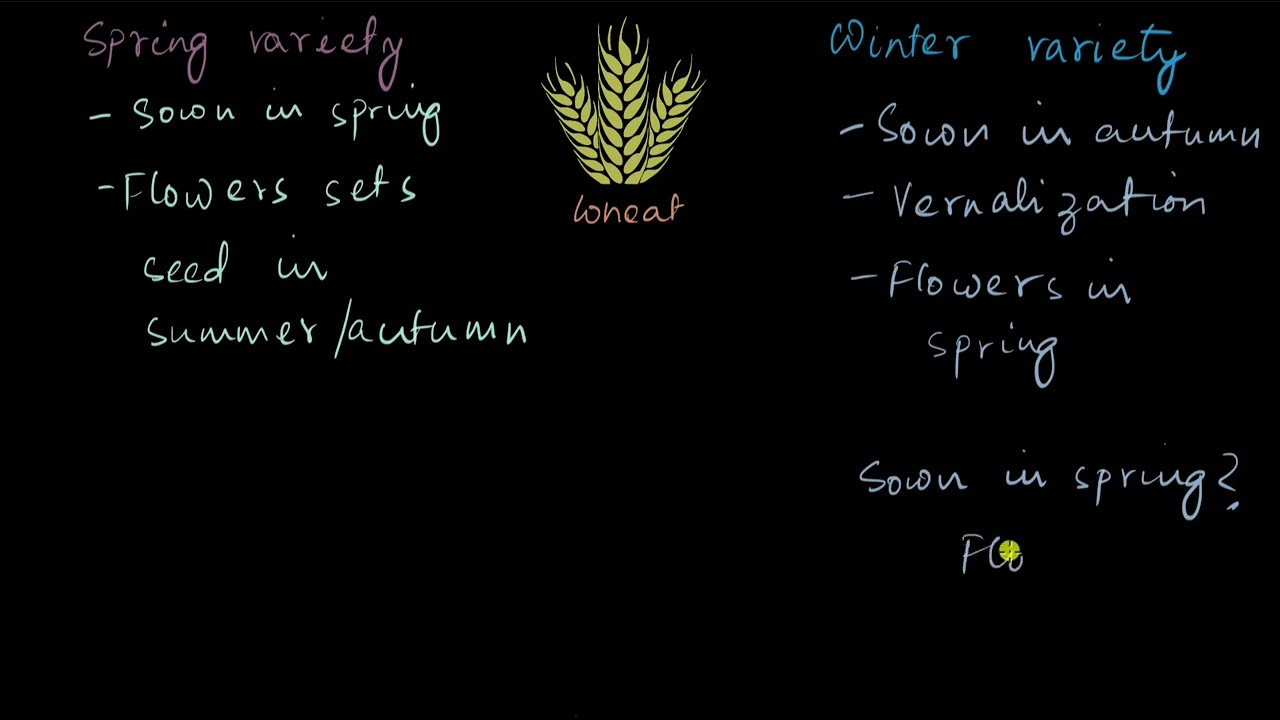
Vernalization is the process by which exposure to prolonged cold temperatures triggers flowering in plants. This physiological change ensures that flowering occurs at an optimal time, typically in the spring.
Etymology
The term "vernalization" originates from the Latin word "vernalis," meaning "of the spring." It reflects the seasonal timing of the process, as plants prepare to bloom with the arrival of warmer weather.
Example usage
'The vernalization of winter wheat is crucial to ensure it flowers in the spring.'
Interesting fact
The concept of vernalization was first systematically studied in the early 20th century by Russian scientist Trofim Lysenko, who applied it to improve crop yields in the Soviet Union.
Source: Encyclopedia of Applied Plant Sciences
Explanation and detail
Biological Mechanism
Vernalization involves a plant's ability to detect and remember a cold period. This process triggers genetic changes that lead to the flowering stage. It is a crucial adaptation for survival, as it prevents plants from flowering during winter when conditions are not conducive to reproduction.
Role in Agriculture
In agriculture, vernalization is often manipulated to enhance crop production. By artificially exposing seeds or seedlings to cold, farmers can control the timing of flowering to optimize yield and quality. This technique is particularly important for crops like wheat, barley, and certain types of rye.
Related video