Definition
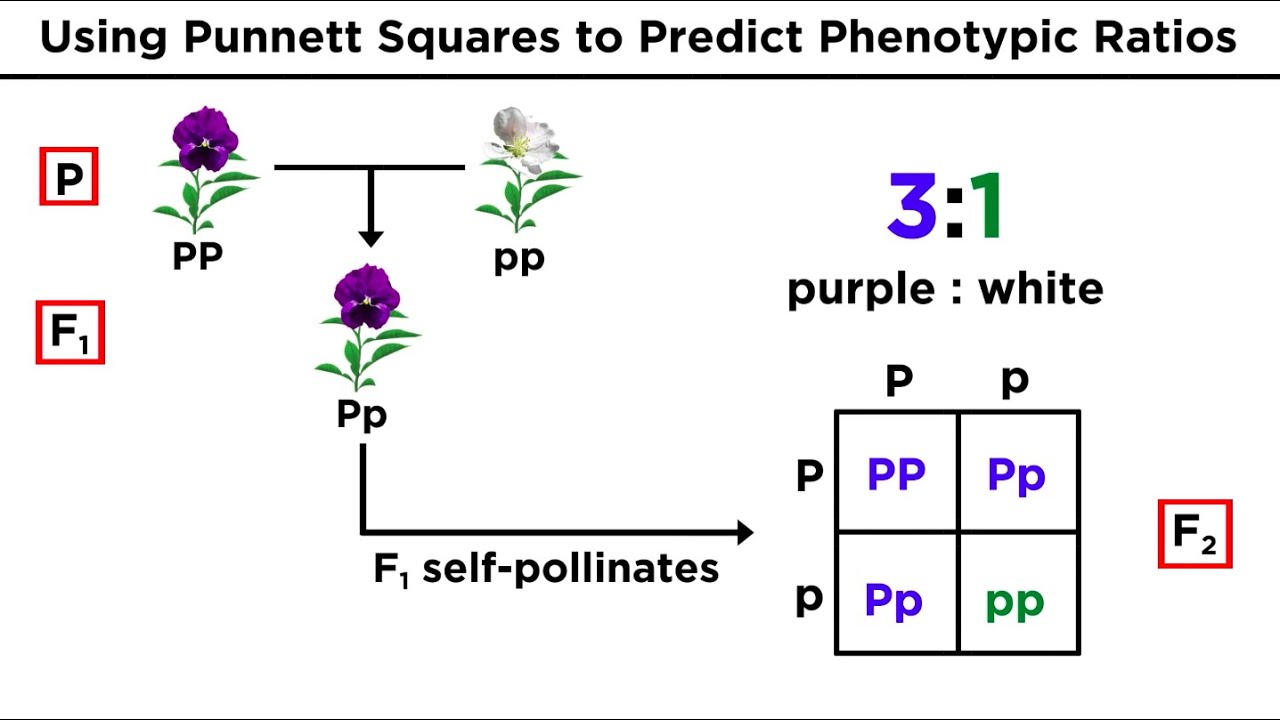
Mendelian Inheritance Laws refer to the set of principles that govern the transmission of genetic traits from parents to offspring. These laws were formulated by Gregor Mendel in the 19th century based on his experiments with pea plants. They include the Law of Segregation, the Law of Independent Assortment, and the Law of Dominance.
Etymology
The term "Mendelian Inheritance Laws" is derived from the name of the Austrian monk and scientist Gregor Mendel, who is often called the "father of modern genetics." The word "inheritance" relates to the passing of genetic traits, while "laws" denotes the fundamental principles he discovered.
Example usage
'Thanks to Mendelian Inheritance Laws, we can predict the likelihood of certain genetic traits appearing in future generations.'
Interesting fact
Gregor Mendel's groundbreaking work was largely ignored during his lifetime and only gained widespread recognition at the turn of the 20th century, decades after his experiments were conducted.
Source: Henig, R. M. (2000). The Monk in the Garden: The Lost and Found Genius of Gregor Mendel, the Father of Genetics. Houghton Mifflin Harcourt.
Explanation and detail
Law of Segregation
This law states that during the formation of gametes (sperm and eggs), the alleles for a trait separate so that each gamete carries only one allele for each trait. This explains why offspring can exhibit different traits than their parents.
Law of Independent Assortment
According to this law, genes for different traits are passed independently of one another from parents to offspring. This means the inheritance of one trait generally does not affect the inheritance of another, allowing for genetic diversity.
Law of Dominance
This principle states that when two different alleles are present, one is dominant and masks the effect of the other, which is recessive. The dominant allele is expressed in the phenotype, or physical appearance, of the organism.
Related video