
Definition
Microbiome transplantation, also known as fecal microbiota transplantation (FMT), is a medical procedure where stool from a healthy donor is transferred to the gastrointestinal tract of a recipient. This process aims to restore a balanced microbiome in the recipient's gut, often to treat conditions like recurrent Clostridium difficile infection.
Etymology
The term "microbiome" comes from the Greek words "mikros," meaning small, and "bios," meaning life. "Transplantation" is derived from the Latin word "transplantare," where "trans" means across and "plantare" means to plant. Together, they describe the process of moving living microorganisms from one environment to another.
Example usage
'After suffering from recurrent C. difficile infections, the patient underwent microbiome transplantation to restore balance to her gut flora.'
Interesting fact
Microbiome transplantation has been used for centuries in traditional Chinese medicine, where it was known as "yellow soup" and prescribed for severe diarrhea. — Zhang, F., et al., "Fecal Microbiota Transplantation: Beyond Clostridium difficile Infection," Gastroenterology, 2017.
Explanation and detail
Function and Purpose
The primary goal of microbiome transplantation is to restore the natural balance of bacteria in the gut. This balance is crucial for digestion, nutrient absorption, and immune function. An imbalance, known as dysbiosis, can lead to various health issues.
Process
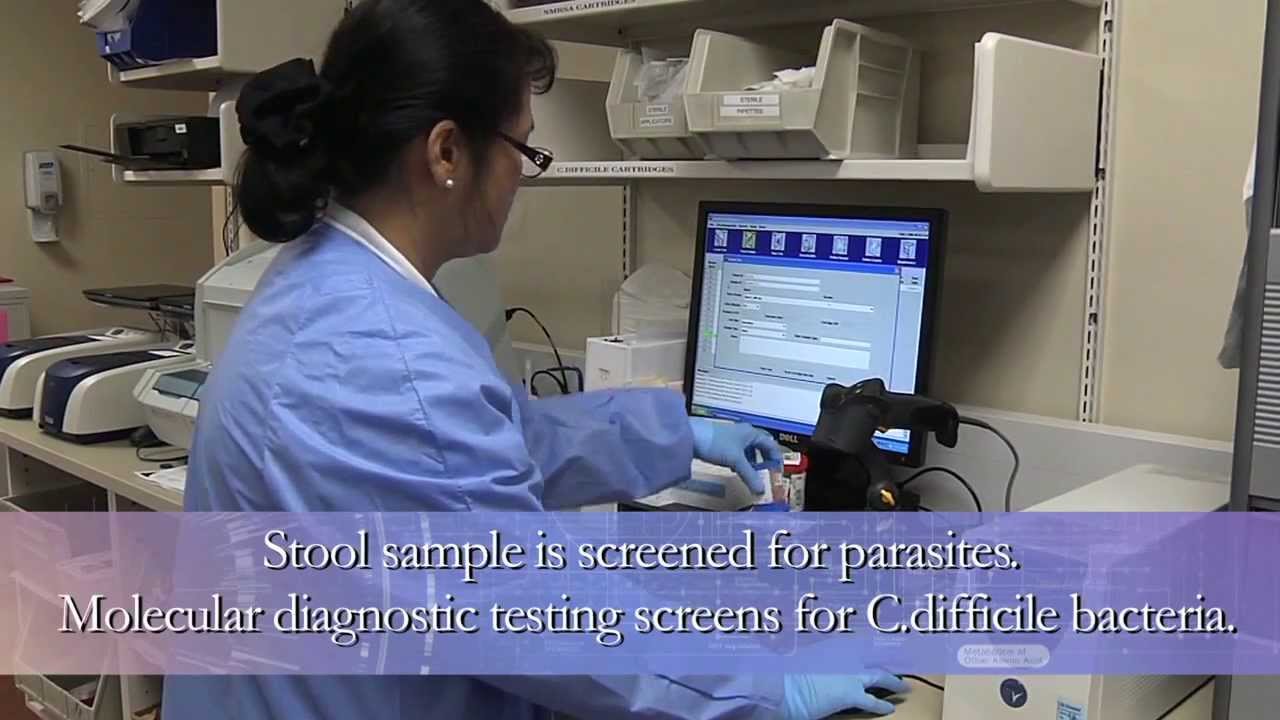
The procedure involves collecting stool from a screened donor, processing it to a liquid form, and then delivering it to the recipient's gastrointestinal tract. This can be done through colonoscopy, enema, or an oral capsule.
Medical Applications
Microbiome transplantation is most commonly used to treat recurrent C. difficile infections, which can cause severe diarrhea and colitis. Research is ongoing to explore its potential in treating other conditions like inflammatory bowel disease, irritable bowel syndrome, and even metabolic disorders.
Related video