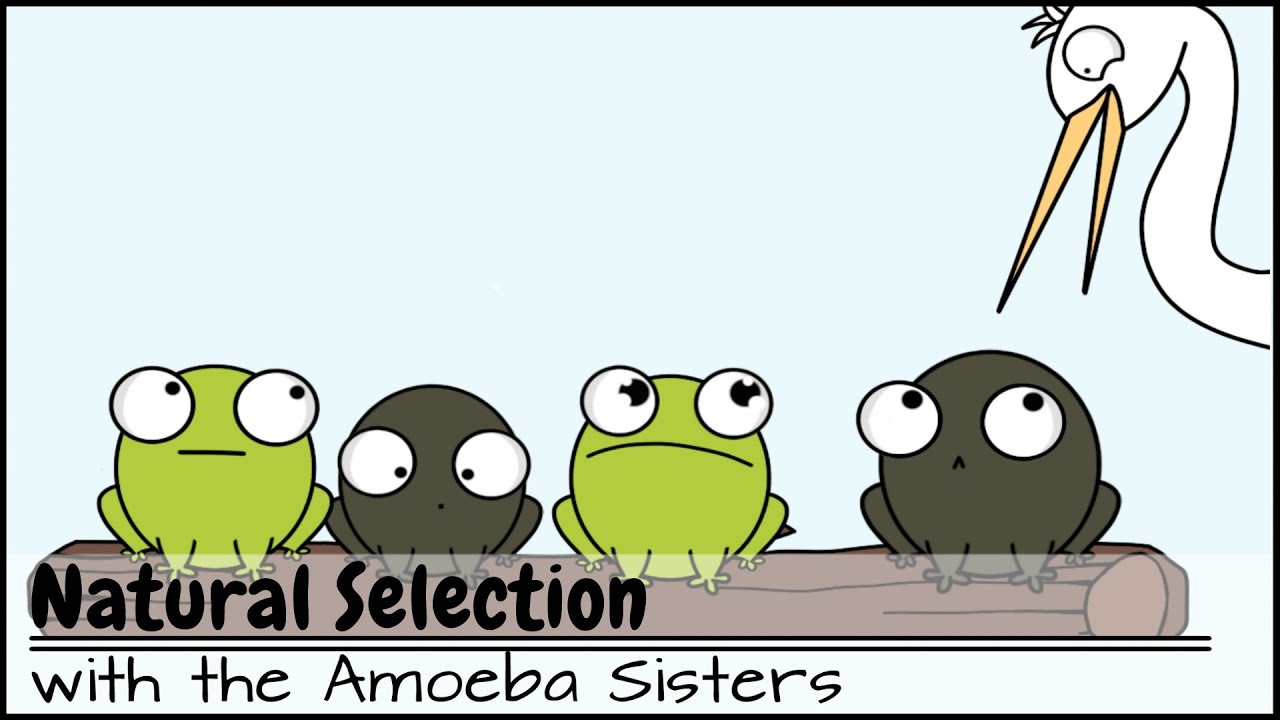
Definition
Natural selection mechanisms are the processes by which certain traits become more common or rare in a population due to their impact on the survival and reproduction of individuals.
Etymology
The term 'natural selection' was first coined by Charles Darwin in his groundbreaking work, "On the Origin of Species." It combines 'natural,' from the Latin 'natura,' meaning birth or nature, and 'selection,' from the Latin 'selectio,' meaning choice or picking out.
Example usage
'The natural selection mechanisms inherent in the environment ensured that only the fastest predators thrived.'
Interesting fact
Natural selection is often misunderstood. It's not about the "survival of the fittest" in terms of strength, but rather the "survival of the fit enough" to reproduce and pass on their genes.
— National Geographic
Explanation and detail
Core Concepts
Natural selection mechanisms play a crucial role in evolution. They operate through four main processes: variation, inheritance, high rate of population growth, and differential survival and reproduction.
- Variation: Individuals within a population exhibit variations in traits, such as size, color, or speed.
- Inheritance: Some traits are heritable, meaning they can be passed from parents to offspring.
- High Rate of Population Growth: Most populations produce more offspring than can survive, leading to competition for resources.
- Differential Survival and Reproduction: Individuals with traits better suited to the environment tend to survive longer and reproduce more, passing those advantageous traits to their offspring.
Types of Natural Selection
There are several types of natural selection mechanisms:
- Stabilizing Selection: Favors the average individuals in a population, reducing variation.
- Directional Selection: Favors one extreme phenotype, leading to a shift in a population's trait distribution.
- Disruptive Selection: Favors extreme phenotypes over intermediate ones, potentially leading to speciation.
Related video