Definition
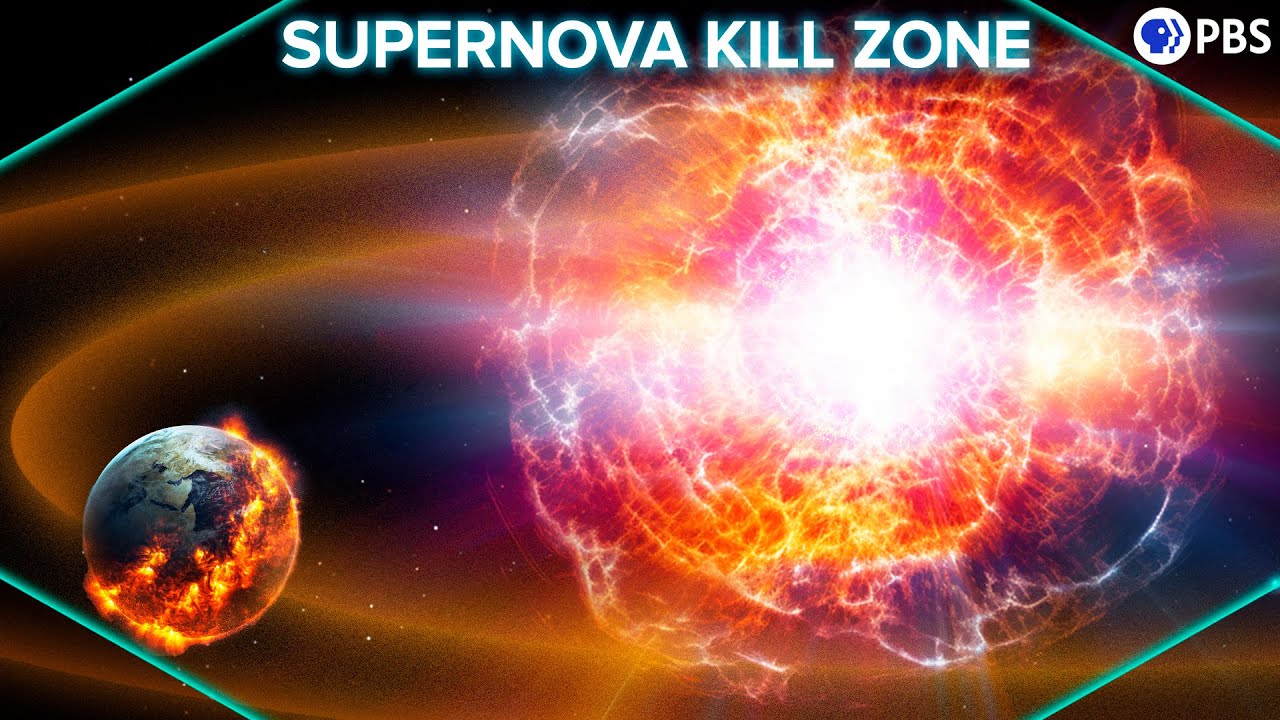
A supernova is a powerful and luminous explosion that occurs at the end of a star's life cycle. It results in the sudden, dramatic increase in brightness of a star, often outshining entire galaxies for a short period.
Etymology
The term "supernova" is derived from the Latin words "super," meaning "above" or "beyond," and "nova," meaning "new." It reflects the appearance of a "new" bright star in the sky, which is actually the explosion of an existing star.
Example usage
'The supernova was so bright that it was visible to the naked eye from Earth.'
Interesting fact
Supernovae can create elements heavier than iron, such as gold and uranium, dispersing them into the universe, contributing to the cosmic chemical enrichment.
— NASA
Explanation and detail
Types of Supernovae
There are two main types of supernovae: Type I and Type II. Type I supernovae occur in binary systems where a white dwarf star accumulates matter from its companion star, eventually triggering an explosion. Type II supernovae happen when a massive star exhausts its nuclear fuel, causing its core to collapse under gravity, followed by a catastrophic explosion.
Impact on the Universe
Supernovae play a crucial role in the universe. They are key drivers of cosmic evolution, seeding galaxies with the elements necessary for planet formation and life. The shock waves from these explosions can also trigger the birth of new stars by compressing nearby gas clouds.
Observation and Study
Astronomers study supernovae to understand stellar evolution and the expansion of the universe. Observations of distant supernovae have provided evidence for the accelerating expansion of the universe, leading to the discovery of dark energy.
Related video