

Glossary Term
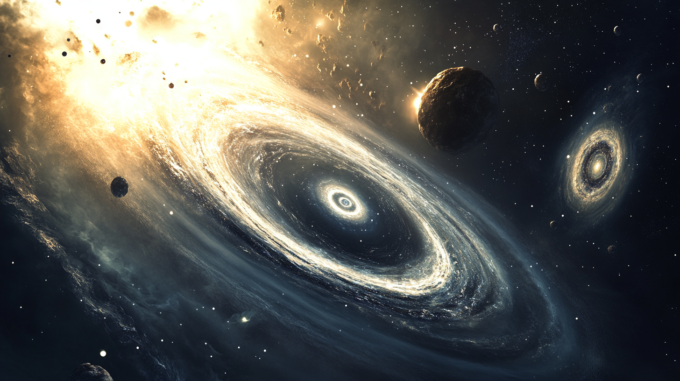
Gravitational Wave Detection: How LIGO Reads Ripples in Spacetime
Gravitational wave detection uses laser interferometry to measure spacetime ripples from merging black holes and neutron stars.
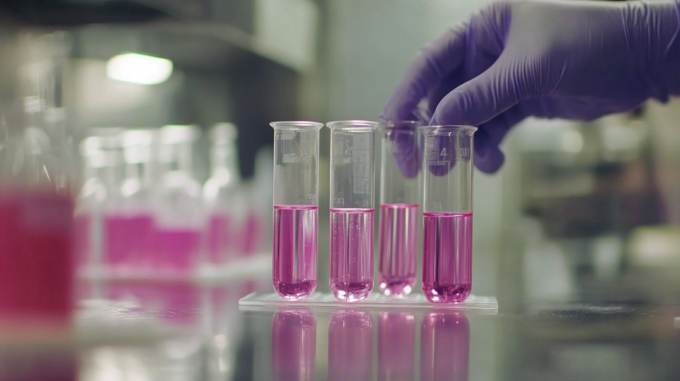
Gel Electrophoresis: How Scientists Sort Molecules by Size
Gel electrophoresis separates DNA, RNA, and proteins by pulling them through a porous gel with an electric field, sorting molecules by size.

Electromagnetic Spectrum: The Full Range of Light and Radiation
The electromagnetic spectrum is the full range of electromagnetic radiation, ordered by wavelength and frequency, from the longest radio waves to the shortest...

Electrostatic Precipitation: How Electric Fields Clean Air
Electrostatic precipitation removes fine particles from industrial gas streams by charging them with high-voltage electric fields and collecting them on metal plates.

Experimental Observation: How Scientists Turn Tests into Evidence
Experimental observation is the systematic recording of what happens during a controlled test, where a researcher manipulates conditions and measures the outcomes.

Fracture Mechanics: How Engineers Predict When Cracks Fail
Fracture mechanics is the engineering discipline that predicts how cracks in materials grow under stress and when that growth leads to failure.

Free Radical Chemistry: How Unpaired Electrons Drive Reactions
Free radical chemistry studies highly reactive atoms and molecules with unpaired electrons, central to processes from industrial plastics to cellular aging.

Double Slit Experiment: The Test That Revealed Two Realities
The double slit experiment shows that light and matter behave as both waves and particles. First performed by Thomas Young in 1801, it...
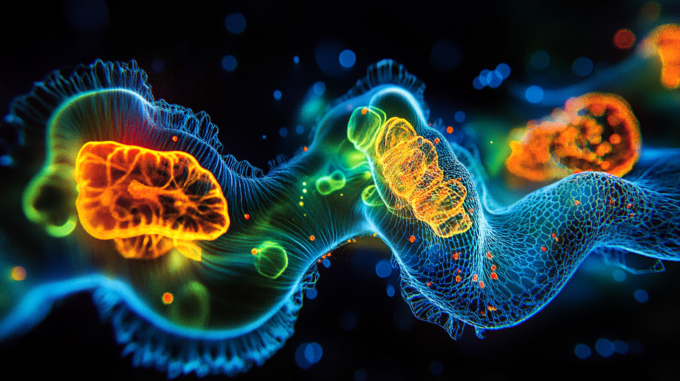
Fluorophore Imaging Techniques: How Glowing Molecules Reveal the Hidden Cell
Fluorophore imaging techniques use fluorescent molecules to make specific biological structures visible under a microscope, letting researchers track proteins, cells, and molecular interactions...

Fermions: The Particles That Build All Matter
Fermions are half-integer spin particles that obey the Pauli exclusion principle, building all ordinary matter.


