NASA
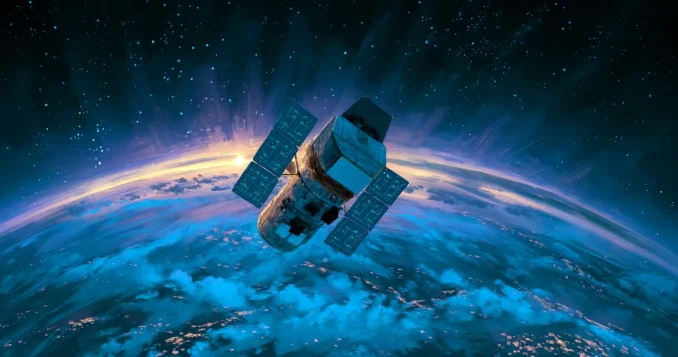
After 1,700 Autonomous Decisions, NASA's Swift telescope is coming down
NASA's gamma-ray observatory deorbits in October after a commercial rescue failed, ending a 20-year unacknowledged experiment in machine judgment that preceded the public...

Artemis II Flew on AI, but Came Home on Engineering
The Artemis II mission flew on autonomous AI systems, but the crew's survival depended on engineers solving a heat shield flaw by hand.

Mars Rover Discoveries: Water, Biosignatures, and the Search for Life
Mars rover discoveries are the scientific findings from robotic vehicles on Mars, including evidence of ancient water, organic chemistry, and potential biosignatures that...
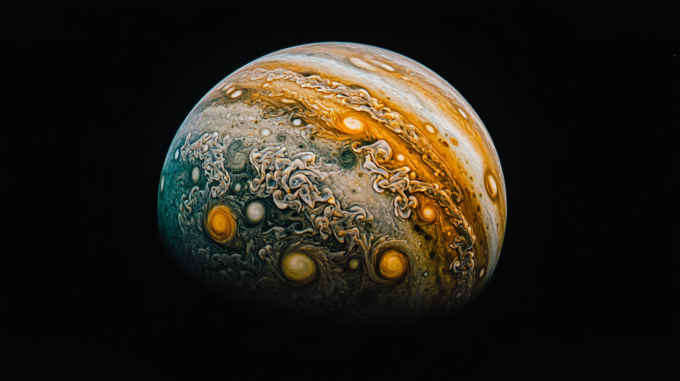
Jovian Moon Geology: Volcanoes, Ice, and Hidden Oceans
Jovian moon geology is the study of the surface features, internal structure, and geological processes of Jupiter's natural satellites.

Kuiper Belt Objects: The Icy Remnants Beyond Neptune
Kuiper Belt objects are icy bodies orbiting beyond Neptune in a disc from 30 to 55 AU, including dwarf planets and remnants from...
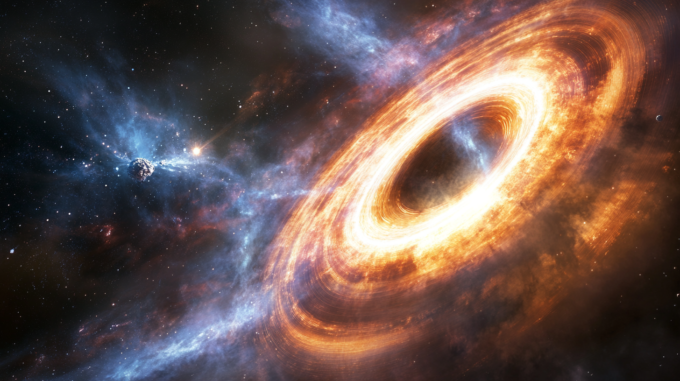
Lagrange Points: Where Gravity Creates Parking Spots in Space
Lagrange points are five positions in a two-body orbital system where gravity and orbital motion balance, letting smaller objects hold station. Space agencies...

Radioisotope Thermoelectric Generators: Nuclear Batteries for Deep Space
A radioisotope thermoelectric generator (RTG) converts heat from radioactive decay into electricity using thermocouples, providing reliable power for spacecraft beyond the reach of...
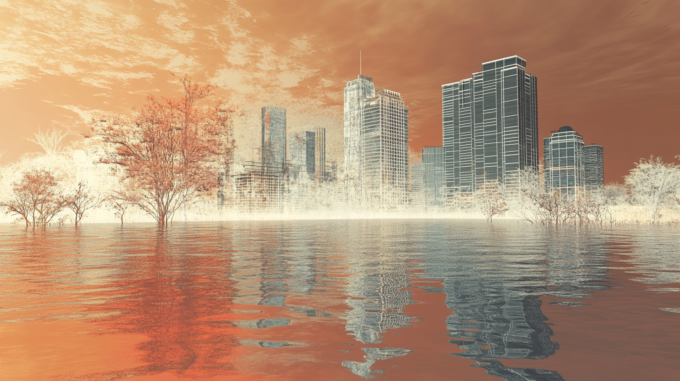
Urban Heat Island Effect: Why Cities Run Hotter
The urban heat island effect is the measurable temperature difference between built-up urban areas and surrounding rural land, driven by heat-absorbing surfaces.

Supernova Remnant: How Exploding Stars Shape the Galaxy
A supernova remnant is the expanding structure of gas, dust, and shock waves left behind after a star explodes, shaping the galaxy through...
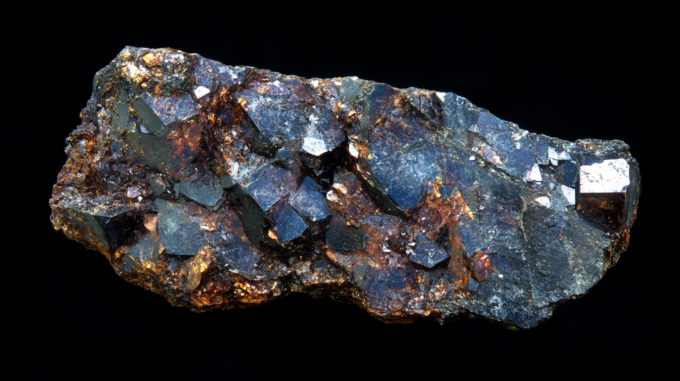
Murchison Meteorite: 96 Amino Acids From Before the Sun
The Murchison meteorite's organic compounds include 96+ amino acids formed in space, offering direct evidence that life's building blocks exist beyond Earth.