Definition
The RNA interference (RNAi) pathway is a biological process in which RNA molecules inhibit gene expression or translation by neutralizing targeted mRNA molecules. It is a natural mechanism used by cells to regulate the activity of specific genes.
Etymology
The term "RNA interference" is derived from "RNA," which stands for ribonucleic acid, and "interference," indicating the process of interrupting or obstructing a biological pathway. The concept was first introduced in the late 1990s.
Example usage
'Scientists are exploring the RNA interference pathway as a potential method for developing new gene therapies.'
Interesting fact
The discovery of RNA interference earned Andrew Fire and Craig Mello the Nobel Prize in Physiology or Medicine in 2006 for their groundbreaking work.NobelPrize.org
Explanation and detail
Mechanism of RNA Interference
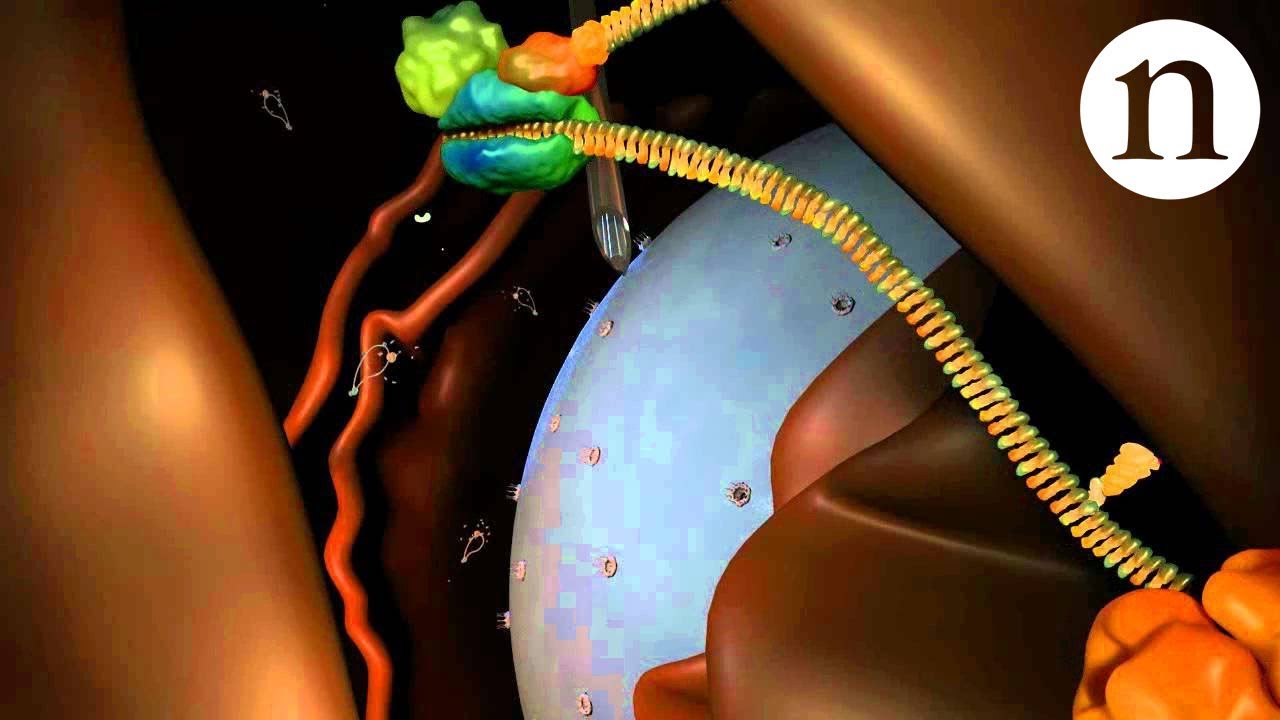
The RNAi pathway is initiated when double-stranded RNA (dsRNA) is introduced into the cell. The dsRNA is then cleaved into small interfering RNAs (siRNAs) by an enzyme called Dicer. These siRNAs are incorporated into a multiprotein complex known as the RNA-induced silencing complex (RISC). The RISC uses one strand of the siRNA to bind to complementary mRNA sequences, leading to the degradation of the target mRNA and subsequent suppression of gene expression.
Biological and Medical Significance
RNA interference plays a critical role in defending against viral infections and controlling transposons, which are genetic elements that can move within a genome. In addition to its natural functions, the RNAi pathway has significant potential in medical research and therapy. Scientists are investigating its applications in treating diseases by silencing harmful genes, including those involved in cancer and genetic disorders.
Related video